Heat-Not-Burn Tobacco vs Vaping: What Actually Sets Them Apart in the UAE
Heat-not-burn tobacco and vaping run on different mechanics, cost differently to keep using, and sit under separate UAE rules. This guide walks through how each device works, what it costs, how it tastes, and where TEREA 365 delivers either one across Dubai, Sharjah and Ajman.
What Is Heat-Not-Burn Tobacco, and How Does It Differ From Vaping?
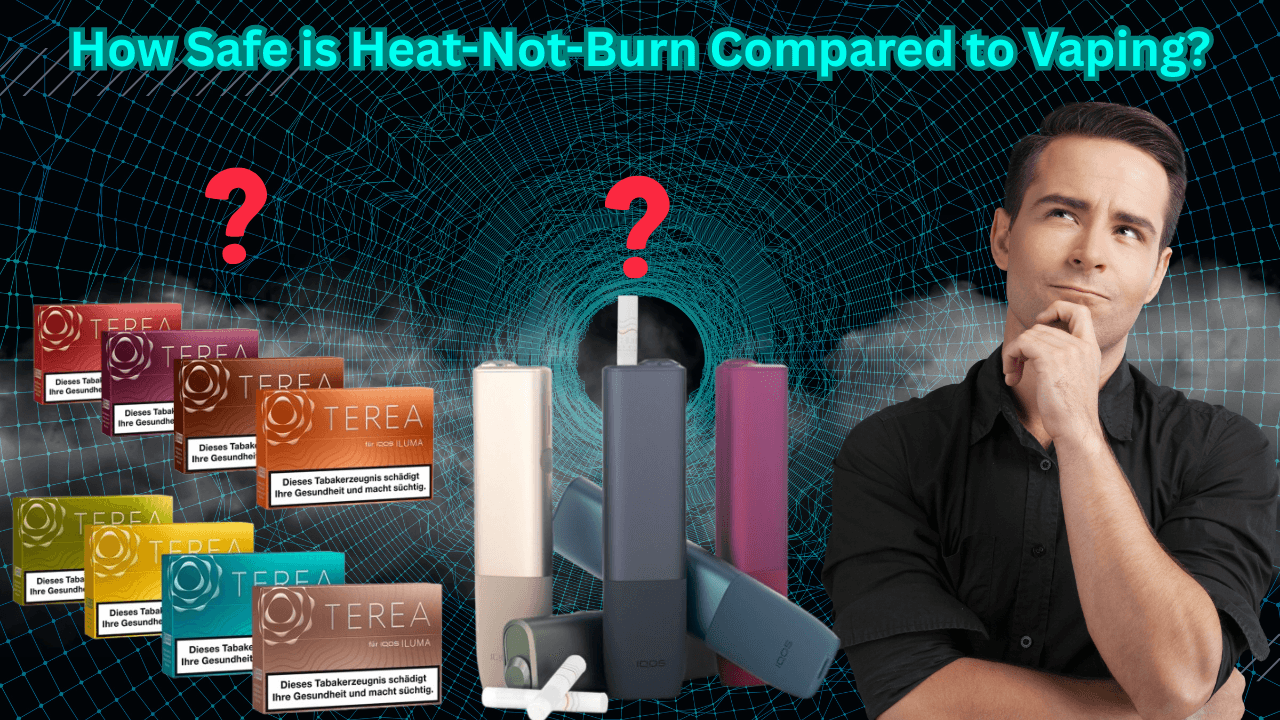
Heat-not-burn tobacco vs vaping comes down to what sits inside the device and how it gets heated. A heat-not-burn (HNB) device heats a stick of real tobacco to somewhere between 250°C and 350°C, warming it without setting it alight. IQOS, made by Philip Morris International, is the brand most UAE buyers mean when they say heat-not-burn, and it produces a tobacco-flavoured aerosol that reads closer to a lit cigarette than any vape manages.
A vape never touches tobacco at all. A battery-powered coil heats e-liquid - a mix of nicotine, propylene glycol, vegetable glycerin and flavouring - at a lower 180°C to 250°C, turning it into vapour rather than smoke. That difference in what's actually being heated is why the two feel and taste nothing alike, even though both get marketed as cigarette alternatives.
Interest in comparing the two has grown as UAE smoking rules have shifted and more people go looking for something to switch to. This guide sticks to what actually differs day to day - the mechanics, the running cost, the regulation, and how each one tastes and smells - rather than settling the debate for you.
How Nicotine Delivery and Throat Hit Compare
Heat-not-burn sticks such as HEETS are built to deliver nicotine with a throat hit close to a cigarette, which is the whole point for smokers who miss that sensation. There's no dial to turn here - the stick is the stick, so the experience stays fairly consistent from one to the next.
Vaping gives you more to adjust. Nicotine delivery shifts with the device's coil resistance, the e-liquid strength, and how you draw on it - a long, slow pull feels different to a short, sharp one. That flexibility is a real advantage if you like fine-tuning the experience, but it also means two people vaping the same juice on different devices can have quite different sessions.
How UAE Regulation Treats Each Product Differently
The UAE doesn't regulate these two products under the same rulebook, and that shapes what you'll find on shelves. Heat-not-burn devices are classified as tobacco products, which brings tighter controls on sales, advertising, packaging and age verification.
Vaping has been legal in the UAE since 2019 under its own framework: nicotine strength is capped at 20 mg/ml, products need licensing, excise tax applies, and packaging rules exist specifically to stop the products appealing to under-18s. Buying either product means confirming you're over 18 - that's a legal requirement, and any retailer worth ordering from will ask before dispatch.
The two frameworks sitting apart also explains why heat-not-burn sticks tend to sit behind tobacco-licensed counters and specialist sellers, while vape hardware and e-liquid show up in a broader range of shops. If a listing for either product skips age verification or licensing details entirely, that's worth treating as a red flag rather than a shortcut.
Cost and Availability Across Dubai, Sharjah and the Rest of the UAE
Running costs work differently for each. Heat-not-burn means buying proprietary sticks - TEREA sticks or HEETS - every time you use the device, so the per-use cost stays fixed regardless of habits. Vaping asks for a bigger outlay upfront on the device itself, but e-liquid refills tend to work out more affordable over time, and you can step the nicotine strength down gradually if that's the plan.
Both are sold through licensed retailers in Dubai, Abu Dhabi and Sharjah, though vaping gear is easier to find on the high street. Heat-not-burn sticks are more of a specialist, tobacco-shop-and-online purchase, and online sales of both categories are tightly regulated.
For anyone weighing this up on cost alone: a heavy heat-not-burn user notices the per-stick spend directly, since every session means opening a new stick, while a vaper's running cost is spread across a bottle that lasts many sessions. Neither figure is fixed - it moves with how often you actually use the device.
- TEREA 365 delivers within 1-2 hours across Dubai, Sharjah and Ajman
- Orders elsewhere in the UAE arrive within 24 hours
- Payment is cash or card on delivery - no card details taken upfront
- Order by WhatsApp on +971561652004
Flavour and Sensory Experience: Tobacco Sticks vs Vape Juice
If you want something close to a cigarette, heat-not-burn sticks stay close to tobacco on purpose. IQOS Terea Amber reads as classic tobacco, IQOS Terea Yellow is a lighter tobacco profile, and IQOS Terea Turquoise adds menthol - three options built around that familiar smoke-like aroma and throat hit rather than novelty flavours.
Vaping goes the other way entirely. Devices from SMOK, Voopoo, Vaporesso and JUUL pair with e-liquids built for variety rather than tobacco authenticity, and nicotine strength and vapour output can be adjusted on top of the flavour itself - two knobs heat-not-burn simply doesn't have. Popular picks include:
- Nasty Juice Slow Blow - tropical fruit
- Dinner Lady Lemon Tart - dessert
- Pod Salt Menthol Mix - mint
- JUUL device and JUUL pods
Waste and Battery Disposal: What Each Product Leaves Behind
Vaping generates plastic waste from pods and empty e-liquid bottles. Heat-not-burn generates cigarette-like stick waste, much the same litter as a spent cigarette butt. Neither is disposal-free, and that's an honest trade-off rather than a point in either device's favour.
Both rely on lithium-ion batteries, which need proper recycling to avoid environmental harm - the UAE is building out battery recycling infrastructure, but awareness of where to actually take a dead device still lags behind. Heat-not-burn adds a layer vaping doesn't: it depends on tobacco farming, which carries its own water use, pesticide use and land impact before a single stick reaches your hand.
None of this points to a clean winner. A vaper who refills a reusable pod produces less packaging waste than one going through disposable pods weekly, and the same logic applies to how carefully either device's battery gets recycled at the end of its life - the habit matters as much as the hardware.
Common Misunderstandings About Heat-Not-Burn and Vaping
A few mix-ups come up often enough with buyers that they're worth clearing up directly.
- Myth: heat-not-burn devices vaporise liquid like a vape does. Fact: they heat a solid tobacco stick - there is no e-liquid involved at any point.
- Myth: any vape juice performs the same in any device. Fact: nicotine delivery changes with coil resistance and device type, so identical juice can hit differently from one vape to the next.
- Myth: vaping is always the cheaper option long-term. Fact: the device itself costs more upfront, and it only ends up cheaper than sticks if you're not replacing hardware every few months.
- Myth: vaping produces no waste since there's no ash or stick left over. Fact: pods and empty e-liquid bottles are still plastic waste - it just looks different from a used tobacco stick.
Which One Fits You, and How to Order in the UAE
There isn't a universal answer here - it depends on what you're actually optimising for. Wanting a fixed, cigarette-like ritual with minimal decisions points towards heat-not-burn sticks. Wanting to adjust flavour, nicotine strength and vapour output from one session to the next points towards vaping.
TEREA 365 is an independent UAE retailer stocking TEREA sticks, HEETS and vape pods, delivered to your door - not a store owned or run by IQOS, TEREA, HEETS, RELX or any other brand named in this guide. Message +971561652004 on WhatsApp with what you need: expect it within 1-2 hours in Dubai, Sharjah and Ajman, or within 24 hours anywhere else in the UAE, with cash or card ready for the courier.
- Decide first whether you already own a device - that narrows the choice to sticks or e-liquid rather than a fresh purchase
- Pick tobacco-style consistency (heat-not-burn) or a rotating flavour list (vaping)
- Weigh the fixed per-stick cost against a higher device cost with cheaper refills
- Confirm you're over 18 and have ID ready, since UAE retailers are required to check
Frequently asked questions
What is heat-not-burn tobacco?
How do heat-not-burn devices work?
Is IQOS a heat-not-burn device?
Is heat-not-burn better than vaping?
Does heat-not-burn smell?
What are heat-not-burn cigarettes?
Related searches
heat not burn tobaccoheat not burn weedheat not burn vapeheat not burn ukheat not burn sticksheat not burn productsheat not burn japanheat not burn iqosis heat not burn better than vapinghow does heat not burn workis heat not burn healthierwhat is heat not burn tobaccowhat is heat not burnhow do heat not burn devices work